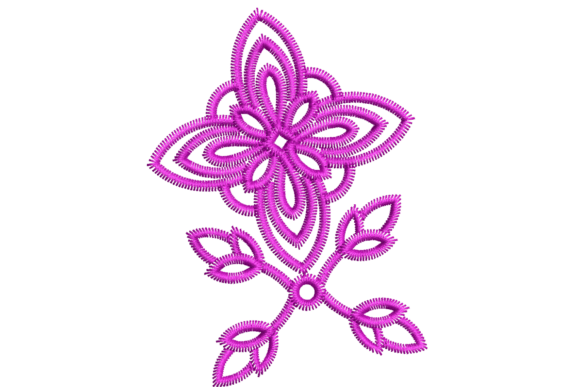
Ornamental Flower Embroidery Design Review
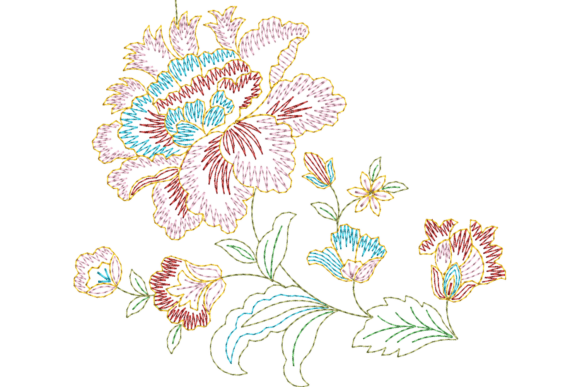
As a professional embroidery designer who has spent years translating digital files into tangible brand assets, I approach every new machine embroidery design with a critical eye. The market is flooded with generic patterns, but finding a piece that balances aesthetic grace with commercial durability is rare. Today, I am reviewing the Ornamental Flower Embroidery Design. This floral branch embroidery design features a graceful branch decorated with blooming flowers and natural leaves, creating a soft and elegant botanical look. While the description promises perfection for home décor and clothing, my focus here is strictly on its viability for small business merch, branded patches, and professional apparel decoration.
First Impressions: Elegance Meets Commercial Viability
The initial visual impact of the Ornamental Flower Embroidery Design is undeniably premium. It does not scream "craft fair"; instead, it whispers "boutique." The arrangement of the blooming flowers and natural leaves suggests a classic, timeless aesthetic that transcends fleeting trends. For small business owners, particularly those in the handmade sector, floristry, or artisanal food services, this design offers an immediate sense of sophistication. It feels less like a decorative afterthought and more like a core component of a cohesive brand identity.
However, beauty alone does not guarantee success in production. When evaluating a digital embroidery file for business use, I look for structural integrity within the design. Does the branch flow naturally without awkward gaps? Are the leaves distinct enough to be recognized when stitched at a smaller scale? In this case, the graceful nature of the branch implies a flowing stitch path, which is excellent for reducing thread breaks and maintaining a clean finish on high-end garments.
Strategic Applications for Small Business Merchandise
The true value of the Ornamental Flower Embroidery Design lies in its versatility across various product categories. Here is how I envision this design performing in real-world business scenarios:
- Branded Patches and Labels: This design is ideal for creating custom woven or embroidered patches. The organic shape of the floral branch allows for unique patch outlines, moving away from the standard square or circle shapes often seen in generic embroidered patch collections. These can be sewn onto denim jackets, tote bags, or backpacks as a subtle mark of quality.
- Staff Uniforms and Aprons: For a café, bakery, or boutique, staff attire needs to look professional yet welcoming. Placing this design on the chest pocket of a chef's jacket or the bib of an apron adds a touch of class. It elevates the uniform from a mere work shirt to a piece of custom apparel that reflects the brand's attention to detail.
- Cap Embroidery: A full-branch design might be too wide for a standard cap front, but a cropped version focusing on a single bloom or a short segment of the branch works beautifully. It serves as an understated logo accent rather than a loud statement, appealing to customers who prefer minimalistic branding.
- Tote Bag Design: Tote bags are powerful marketing tools. The Ornamental Flower Embroidery Design provides a sophisticated alternative to screen printing. When stitched onto canvas, the texture of the thread enhances the tactile experience of the bag, making it feel more like a luxury accessory.
- Product Packaging Accents: For brands selling candles, soaps, or gourmet goods, attaching a small embroidered tag featuring this floral motif can significantly increase perceived value. It signals that the contents are as carefully crafted as the packaging itself.
Critical Considerations for Production Success
While the design is visually stunning, there are specific areas where caution is required to ensure the finished product meets professional standards. As a designer, I always advise clients to test before mass-producing.
Scale and Detail Retention
The intricate details of the blooming flowers and natural leaves may suffer if the design is scaled down too aggressively. If you intend to use this for tiny labels or very small cap embroidery, you must verify that the petals do not merge into a solid blob of thread. Check the minimum recommended size in the embroidery file specifications. If the details become indistinct, consider simplifying the design or using it only on larger surface areas like tote bags or blankets.
Fabric Texture and Stabilization
The success of any botanical design depends heavily on the substrate. On smooth fabrics like cotton twill or linen, the Ornamental Flower Embroidery Design will pop with clarity. However, on highly textured fabrics like fleece, heavy denim, or knits, the fine lines of the branch might get lost. Always use the appropriate stabilizer to prevent puckering. For curved surfaces like caps or sleeves, a cutaway stabilizer is essential to maintain the design's shape over time.
Stitch Density and Thread Colors
Botanical designs often rely on shading and layering. Ensure the stitch density is optimized for your specific machine. Too dense, and the fabric will pucker; too loose, and the design will look unfinished. Furthermore, thread colors play a crucial role. While the design looks beautiful in soft pastels, remember that dark uniforms require high-contrast threads or underlays to ensure visibility. Test the color palette against your brand guidelines before committing to a run.
Impact on Brand Identity and Customer Trust
In the competitive landscape of commercial embroidery, the choice of design assets directly influences customer perception. Using the Ornamental Flower Embroidery Design signals that your business values craftsmanship and elegance. Unlike low-resolution digital prints, embroidery adds a tactile dimension that customers associate with durability and quality.
When a customer receives a tote bag or wears a uniform adorned with this graceful floral branch, they are engaging with a brand that takes pride in its presentation. This consistency builds trust. Whether you are an Etsy seller looking to elevate your handmade product line or a local business creating event merch, this design helps establish a visual language that is both friendly and professional. It bridges the gap between rustic charm and modern sophistication.
Practical Designer Notes for Implementation
Before integrating this design into your workflow, follow these practical steps to ensure a flawless execution:
- Test in Black and White: Run a test stitch using a single color to check the layout, spacing, and potential thread breaks without the distraction of multiple thread changes.
- Verify Hoop Size: Confirm that the design fits comfortably within your machine's hoop. Forcing a large design into a small hoop can lead to registration errors and uneven tension.
- Create a Printable Mockup: Before stitching, generate a printable mockup to show clients or stakeholders. This ensures everyone agrees on the placement and scale before any physical materials are used.
- Check Licensing: Always confirm the commercial licensing terms associated with the digital embroidery file. Ensure you have the right to use the design for unlimited merchandise sales, especially if you plan to sell the finished items.
- Compare Design Assets: Place the Ornamental Flower Embroidery Design next to your existing logos and other design assets. Does it complement your current visual style, or does it clash?
The Ornamental Flower Embroidery Design is a versatile asset that, when used correctly, can transform ordinary merchandise into premium brand ambassadors. Its soft, elegant botanical look offers a perfect balance for businesses seeking to convey warmth and professionalism. By paying attention to scale, fabric choice, and stabilization, you can leverage this design to create memorable, high-quality products that stand out in a crowded marketplace.