Floral Giraffe Embroidery Pattern Review
As an experienced embroidery designer preparing for the upcoming weekend craft fair, I am constantly evaluating new machine embroidery design assets to see which ones will truly move off the table. Today, I am putting the Floral Giraffe Embroidery Pattern under the microscope. This piece falls squarely into the Wild Animals category but offers a distinct twist that could be a game-changer for my booth display. The description promises a charming giraffe silhouette filled with elegant leaves, branches, and soft botanical details, creating a calm and artistic vibe. Before I commit hours of machine time to this embroidery file, I need to determine if it translates from a digital screen to a tangible, sellable handmade product.
First Impressions: A Blend of Elegance and Nature
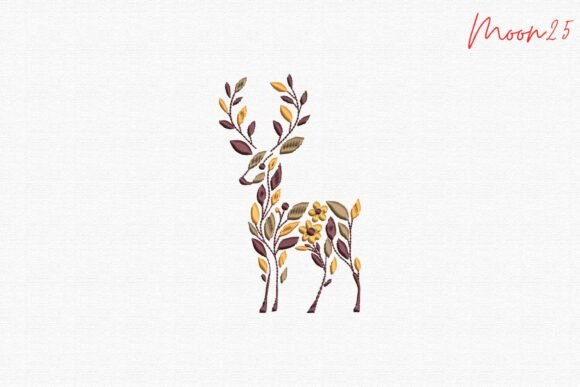
When I first loaded the preview of the Floral Giraffe Embroidery Pattern, the immediate feeling was one of sophisticated whimsy. It is not the cartoonish, primary-colored giraffe you might find in children's sections. Instead, the graceful shape and warm natural tones suggest a design that leans towards farmhouse chic or modern botanical aesthetics. For an Etsy seller or a boutique maker, this distinction is crucial. Customers at craft fairs are often looking for something unique that elevates their home decor or personal accessories. This pattern feels premium yet accessible, striking a balance between decorative art and functional design.
The integration of the giraffe silhouette with intricate foliage suggests that the stitch density will be a key factor in its success. If executed correctly, the botanical details within the animal shape will create a rich texture that catches the eye from across a crowded market aisle. However, the "soft botanical details" mentioned in the description require careful attention during production to ensure they do not get lost in the background fabric.
Product Potential: Where Does This Design Shine?
For a successful craft fair booth, variety is key. I am planning to test the Floral Giraffe Embroidery Pattern across several different mediums to maximize its appeal as a craft fair product. Here is how I envision it performing on specific items:
- Tote Bags: A large-scale application on a canvas tote bag could serve as a stunning focal point. The vertical nature of the giraffe works perfectly with the height of a standard shopping bag. As a tote bag design, it appeals to eco-conscious shoppers who appreciate nature-themed art.
- Kitchen Textiles: The warm natural tones make this ideal for apron embroidery and tea towel embroidery. Imagine a linen apron with this subtle, elegant giraffe peeking out from the pocket area. It adds a touch of personality without being overwhelming.
- Patches and Caps: For smaller applications, this design could work beautifully as an embroidered patch sewn onto denim jackets or backpacks. On caps, however, we must be cautious about the curved surface distorting the botanical details.
- Pillow Covers and Home Decor: The calming aesthetic fits perfectly with boho-style pillow covers. This is a high-margin item that often sells well as a giftable handmade item.
- Fabric Pouches: Small cosmetic bags or market pouches featuring a scaled-down version of the pattern can act as affordable impulse buys for customers browsing the booth.
Production Realities: Practical Considerations for Makers
While the visual appeal is strong, the practical side of commercial embroidery requires a critical eye. As I prepare my samples, I must consider how the design behaves physically. The description mentions "elegant leaves" and "branches," which implies fine lines and potentially complex fills. In the world of digital embroidery file management, fine details can sometimes disappear if the thread colors are too similar to the base fabric.
One major concern with this Floral Giraffe Embroidery Pattern is the potential for dense stitch areas where the floral elements overlap the giraffe's neck or legs. High density can cause puckering, especially on thinner fabrics like tea towels or light cotton. To mitigate this, I will need to use a heavy-duty stabilizer and possibly adjust the tension on my machine. It is also vital to check the hoop size requirements; if the design is too large for a standard 5x7 hoop, it may require splitting the pattern, which can introduce registration issues.
Furthermore, the "tiny details" inherent in botanical designs pose a risk when scaling down. If I attempt to put this design on a small coin purse or a button, the individual leaves and branches may merge into a muddy blob. Clarity is king in Embroidery; if a customer cannot discern the giraffe from three feet away, the product loses its impact. Therefore, I plan to keep the main versions for larger items like totes and pillows, while using simplified accents for smaller goods.
Visual Appeal and Booth Strategy
In a bustling craft fair environment, your display needs to stop people in their tracks. The Floral Giraffe Embroidery Pattern has the potential to be a conversation starter. Its unique fusion of animal and plant life stands out against more traditional geometric or text-based designs. When arranging my table, I will place the finished products with good lighting to highlight the texture of the thread. A printable mockup showing the design on various fabrics can also help online shoppers visualize the final look before purchasing.
For the small shop product owner, consistency is key. Using this pattern across a cohesive line of items—perhaps all in earth tones—creates a strong brand identity. It signals to the buyer that this is a curated collection rather than random leftovers. The "calm and artistic" mood described in the pattern's profile aligns well with current trends in slow living and mindful consumption, making it highly relevant for today's market.
Essential Designer Notes for Success
Before you rush to produce your own batch of these items, here are my professional recommendations based on reviewing the Floral Giraffe Embroidery Pattern:
- Test on Scrap Fabric: Never skip the test run. Check how the intricate leaves hold up on your specific fabric texture. Linen behaves differently than cotton twill.
- Check Thread Contrast: Ensure the botanical details pop against the background. If the contrast is low, the design may look unfinished.
- Review Spacing: Make sure there is enough room around the giraffe so the design does not feel cramped on the final product.
- Confirm Licensing: Always verify your commercial license terms before selling finished products. Ensure you have the right to sell items made from this design asset.
- Create Real Mockups: Photograph actual embroidered items rather than relying solely on digital renders. Real photos build trust with buyers.
- Inspect Stitch Density: Look for any gaps or overly tight areas that might cause fabric distortion.
Ultimately, the Floral Giraffe Embroidery Pattern offers a versatile and stylish option for creative entrepreneurs. With careful production planning and strategic placement on high-visibility items, it has the potential to become a bestseller in any handmade market. By focusing on quality, clarity, and cohesive branding, you can turn this digital file into a profitable reality for your business.