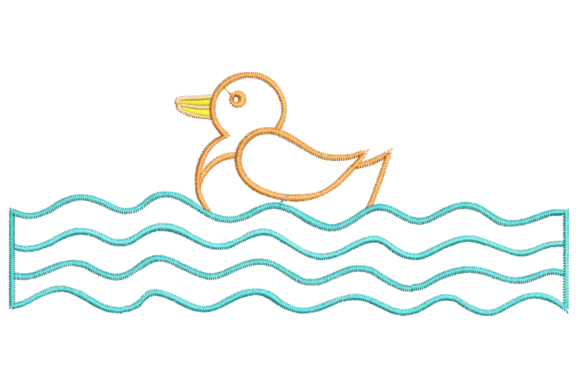
Little Duck Embroidery Design Review
As a professional embroidery designer who has spent years curating collections for personalized gift shops and small business owners, I approach every new machine embroidery design with a critical eye. The goal is always to find that perfect balance between technical precision and emotional resonance. Today, I am testing the Little Duck Embroidery Design, a charming addition to the Animals category, to see if it truly delivers the storybook magic promised in its description. For any Etsy seller or craft fair vendor looking to expand their catalog of handmade products, understanding how a design translates from a digital file to a finished product is crucial.
A Storybook Scene Comes to Life
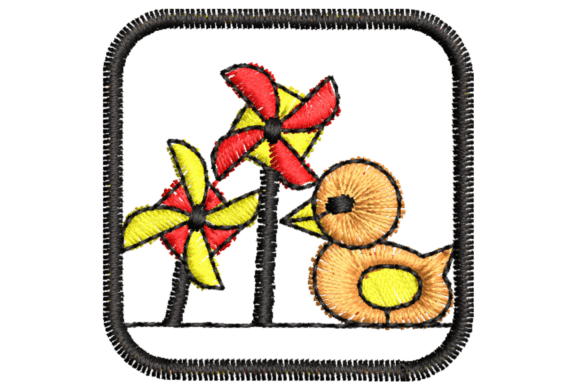
The first time I loaded the embroidery file into my machine, the preview immediately conveyed a sense of peace. This design features two classic windmills alongside a sweet little duck set against a peaceful countryside backdrop. It is not just a collection of stitches; it is a narrative captured in thread. The balanced composition creates a calm, storybook feeling that feels both timeless and gently nostalgic. In the world of custom embroidery, where trends often shift rapidly, this classic aesthetic stands out as a staple piece that appeals to a wide demographic.
The mood is undeniably sweet and playful without being overly childish. It possesses an elegance that suggests high-quality craftsmanship. When visualizing this on a finished product, the image evokes feelings of warmth, safety, and rural simplicity. For a gift shop owner, this emotional appeal is a powerful selling point. Customers are not just buying a patch; they are purchasing a sentiment. Whether intended as a personalized gift for a new parent or a decorative accent for a home, the Little Duck Embroidery Design carries a weight of meaning that elevates the perceived value of the item.
Perfect Applications for Personalized Gifts
One of the primary reasons I recommend this design to other designers is its versatility. I have been mapping out several real-world scenarios where this digital embroidery file would shine. Imagine a customer walking into your shop or browsing your online store looking for a unique wedding gift. A pillow cover featuring this countryside scene, perhaps monogrammed with the couple's initials near the windmills, would be an instant hit. It offers a rustic charm that fits perfectly with modern farmhouse decor trends.
For those specializing in baby embroidery, the potential is even greater. This design is ideal for nursery decor, such as a soft blanket embroidery or a personalized onesie. The gentle imagery of a duck and windmills is soothing and appropriate for a child's environment. I can easily envision this on a high-quality cotton towel for a baby shower gift or stitched onto a custom tote bag for a stroller. The thread colors typically used in such designs—soft yellows, sky blues, and earthy greens—blend beautifully with neutral palettes often found in modern nurseries.
Furthermore, this design is excellent for creating small shop products like aprons or kitchen towels. The "countryside" theme aligns perfectly with cooking and baking aesthetics. A baker selling custom aprons could use this design to create a cohesive collection. As an Etsy seller, you could offer this as part of a "Farmhouse Collection," grouping it with other nature-inspired motifs to increase buyer engagement and average order value.
Navigating Fabric and Technical Challenges
While the Little Duck Embroidery Design is versatile, a professional must know where to exercise caution. Not all fabrics are created equal, and the success of the final product depends heavily on the material choice. When working with textured fabric, such as thick terry cloth towels or heavy denim, the delicate details of the windmills might get lost. The stitch density needs to be carefully considered; if the fabric texture is too pronounced, the fine lines of the design may appear fuzzy rather than crisp.
Similarly, using this design on stretchy baby clothes requires extra attention. The tension of the embroidery can cause puckering on knit fabrics if the wrong stabilizer is used. Always test on scrap fabric first to ensure the hoop size accommodates the design without distorting the garment. Dark fabrics also present a challenge. While the design looks lovely on white or cream, placing it on black or navy requires careful selection of underlay stitches and potentially lighter thread colors to maintain visibility and contrast. Without proper planning, the "sweet little duck" could become indistinguishable against a dark background.
Curved surfaces, such as the sides of a mug or a rounded hat brim, should generally be avoided unless the design is specifically digitized for 3D applications. The flat, panoramic nature of this countryside scene works best on relatively flat surfaces like pillow covers, blankets, or the front panels of tote bags. If you plan to sell these items, ensure you have reviewed the stitch count and file format compatibility with your specific machine to avoid production delays.
Boosting Giftability and Customer Trust
In the competitive market of handmade goods, the quality of your custom embroidery directly impacts customer trust. A well-executed Little Duck Embroidery Design signals attention to detail. When a customer receives a personalized gift with such a thoughtful and cohesive design, the emotional connection deepens. They feel that the creator understood their vision and delivered something special.
This design significantly enhances giftability. It transforms a standard commodity, like a plain towel or a generic pillow, into a cherished keepsake. For wedding gifts or family heirlooms, the ability to add names or dates near the windmills adds a layer of personalization that mass-produced items cannot match. High-quality product photography showcasing the texture of the thread and the clarity of the design will further drive sales. Buyers need to see the depth and dimension of the stitching to appreciate the effort involved.
Practical Steps for Professional Results
To ensure your commercial embroidery projects succeed, follow these practical steps before committing to a full production run:
- Test on Scrap Fabric: Always stitch out the design on a piece of the actual fabric you intend to use. Check for puckering, thread breaks, or misalignment.
- Check Thread Color Contrast: Ensure the chosen palette pops against the background. Compare light and dark fabric mockups to see how the design adapts.
- Confirm Hoop Size: Verify that your machine's hoop can accommodate the entire design, including any necessary margins for stabilizers.
- Review Stitch Density: Look closely at the windmill blades and the duck's feathers. If the density is too high, it may stiffen the fabric; too low, and the fabric may show through.
- Use Proper Stabilizer: Select a stabilizer appropriate for the fabric weight. Tear-away for stable wovens, cut-away for knits, and water-soluble for delicate items.
- Check Small Details After Stitching: Inspect the finished sample under good lighting to ensure no loose threads or skipped stitches mar the appearance.
- Confirm Commercial Licensing: Before selling any finished products, review the license terms of the embroidery file to ensure you are permitted to sell items made with the design.
The Little Duck Embroidery Design is more than just a pattern; it is a tool for storytelling. By understanding its strengths, limitations, and potential applications, you can create meaningful, high-value products that resonate with customers. Whether you are crafting a single blanket embroidery for a friend or building a line of pillow covers for your shop, this design offers a warm, inviting aesthetic that never goes out of style. With careful planning and execution, it will undoubtedly become a favorite in your portfolio of Embroidery creations.