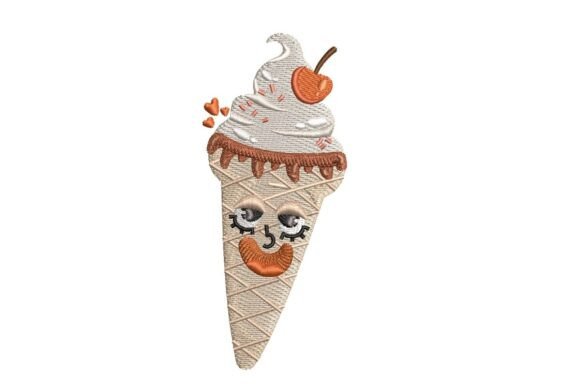
Kawaii Ice Cream Cone Embroidery Review
As a professional embroidery designer who has spent years translating digital files into tangible brand assets, I approach every new machine embroidery design with a critical eye. The goal is never just to create something pretty; it is to ensure the design performs reliably on commercial apparel and merchandise. Today, I am reviewing the Kawaii Ice Cream Cone Embroidery, a playful character described as featuring a charming, smiling face designed to treat projects to a scoop of sweetness. For small business owners, boutique operators, and merch creators, this type of Dessert themed Embroidery offers a unique opportunity to inject personality into branding, but it requires careful evaluation before mass production.
First Impressions: Visual Personality and Brand Fit
Upon opening the digital embroidery file, the first thing that strikes me is the inherent friendliness of the design. The "Kawaii" aesthetic is defined by cuteness, simplicity, and an inviting nature. This specific design does not feel rustic or classic; instead, it feels modern, bold, and distinctly decorative in a way that appeals to younger demographics and lifestyle brands. For a bakery, a pet grooming studio, a children's boutique, or a creative coffee shop, this design immediately signals warmth and approachability.
However, for a corporate law firm or a high-end luxury tailoring service, this would be a mismatch. The charm of the Kawaii Ice Cream Cone Embroidery lies in its ability to humanize a brand. When used correctly, it transforms a standard uniform or tote bag into a conversation starter. It suggests that the business behind the logo cares about joy and details. In terms of brand identity, this design works best for companies that want to appear accessible, fun, and community-focused rather than strictly formal.
Performance in Real Business Applications
The true test of any embroidery file is how it translates from the screen to the finished product. I have evaluated how this specific cone design functions across various small business merchandise categories.
Branded Patches and Caps
One of the most effective uses for this design is as an embroidered patch. The rounded shape of the ice cream cone and the smooth curves of the smiling face are ideal for creating die-cut patches. These can be sewn onto denim jackets, backpacks, or even used as standalone collectibles for customer loyalty programs. For cap embroidery, the design fits well on the front panel of a baseball cap. The vertical orientation of a cone aligns perfectly with the crown of a hat, provided the stitch density is managed correctly to prevent puckering on curved surfaces.
Staff Uniforms and Aprons
In the food and beverage industry, staff uniforms need to balance professionalism with brand spirit. Placing the Kawaii Ice Cream Cone Embroidery on the chest pocket of a chef's jacket or the bib of a server's apron adds a delightful touch without overwhelming the wearer. This is particularly effective for cafes or dessert shops where the menu item itself is the star. On apron embroidery, the design acts as a subtle signature, reinforcing the theme of sweet treats while keeping the workspace looking organized and branded.
Tote Bags and Handheld Merchandise
For tote bag design, this image serves as an excellent focal point. Tote bags often feature larger print areas, allowing the embroidery to be scaled up slightly to showcase the thread colors and texture. Because the design features a smiling face, it creates an emotional connection when customers carry the bag through the city. It turns a simple utility item into a piece of small business merch that people actually want to display. Similarly, on custom apparel like t-shirts or hoodies, the design works well as a sleeve detail or a lower-back accent, offering a less intrusive alternative to a large chest logo.
Critical Considerations for Production
While the concept is sound, there are specific technical challenges designers must address when using the Kawaii Ice Cream Cone Embroidery for commercial purposes. Ignoring these factors can lead to wasted materials and unhappy clients.
- Stitch Density and Detail: The description mentions a "charming, smiling face." Facial features in embroidery require precision. If the stitch density is too high in the eyes or mouth, the fabric may pucker, especially on thinner materials. Conversely, if the density is too low, the facial expression may look muddy. You must inspect the file to ensure the outlines are clean and the satin stitches are narrow enough to hold their shape.
- Thread Color Contrast: An ice cream cone typically involves pastels or bright colors. On dark uniforms, you will need to use underlay stitches effectively to make the colors pop. Test the thread colors against your specific fabric swatch before running a full batch. A pastel pink might disappear on a navy blue shirt without proper backing.
- Fabric Texture and Stabilizer: This design should be tested on the actual fabric texture intended for use. Knits stretch, which can distort the smile of the character. Always use the appropriate stabilizer, such as tear-away for wovens or cut-away for knits, to maintain the integrity of the design after washing.
- Hoop Size Constraints: Check the dimensions of the hoop size required. If you are trying to fit this design onto a small patch or a tiny label, you may find that the details get lost. Do not scale the design down below 1.5 inches without verifying that the facial features remain legible.
Strategic Use for Brand Identity and Trust
Using a design like the Kawaii Ice Cream Cone Embroidery impacts more than just aesthetics; it influences customer perception. A well-executed embroidered logo conveys quality and attention to detail. When a customer receives a handmade product with a crisp, vibrant embroidered patch, their trust in the brand increases. They perceive the finished product as premium and durable compared to screen-printed alternatives.
However, consistency is key. If you use this design on a high-quality wool blend but then apply it poorly on a cheap polyester blend, the visual inconsistency damages your reputation. Ensure that the application method matches the quality of the design asset. For Etsy sellers and craft business owners, this design can serve as a powerful differentiator. It moves your brand away from generic stock imagery toward a cohesive, recognizable brand identity.
Designer Notes and Best Practices
Before committing to a large run of commercial embroidery, follow these practical steps to ensure success with this specific file:
- Test in Black and White: Run a test stitch-out in black thread first. This allows you to see the structure of the design without the distraction of color. Check for gaps in the fill stitches or floating threads around the smile and the cone edges.
- Verify Commercial Licensing: Always confirm the licensing terms of the digital embroidery file. Some designs are for personal use only. Ensure you have the right to use the Kawaii Ice Cream Cone Embroidery for small business merch and resale products.
- Create a Printable Mockup: Before stitching, generate a printable mockup showing the design on your actual product (e.g., a cap or apron). Send this to the client or review it internally to approve placement and sizing.
- Compare Design Assets: Place this design next to other logos or text elements you plan to use. Does the style match? If your main logo is a sharp, geometric font, the soft curves of the ice cream cone might clash unless balanced carefully.
- Inspect Spacing: Ensure there is adequate spacing between the design and seams or hems. The movement of fabric near a seam can cause the embroidery to pull or distort over time.
Ultimately, the Kawaii Ice Cream Cone Embroidery is a versatile tool for businesses that want to add a layer of sweetness and engagement to their physical products. By respecting the technical requirements of machine embroidery and strategically placing the design on items like caps, aprons, and tote bags, you can create merchandise that not only looks great but also strengthens your connection with your customers. Remember, the difference between a good design and a great product lies in the execution.