Embroidery Heart Digital Paper: A Designer Review
As an experienced embroidery designer who has spent countless weekends setting up booths at craft fairs and managing a busy handmade shop, I know that the difference between a product that gathers dust and one that flies off the table often comes down to the design choice. Today, I am reviewing the Embroidery Heart Digital Paper, a versatile asset categorized under Patterns and Graphics. With its promise of high-resolution 300 DPI quality, this digital file claims suitability for everything from wall decor to t-shirts and onesies. But does it translate well from a screen to a stitchable reality? Let's dive into how this design performs when we move from the digital realm to the physical products that drive sales.
First Impressions: Visual Impact and Style
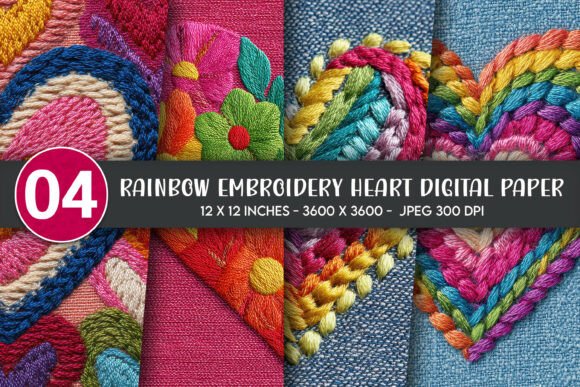
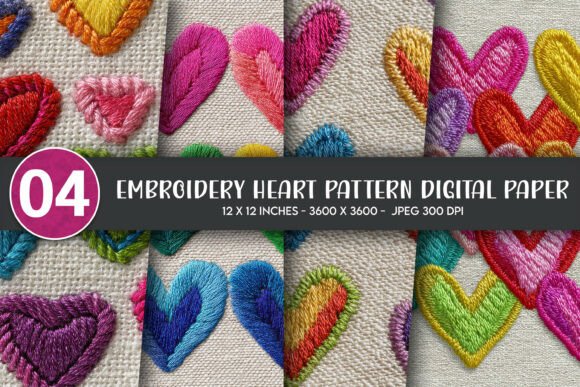
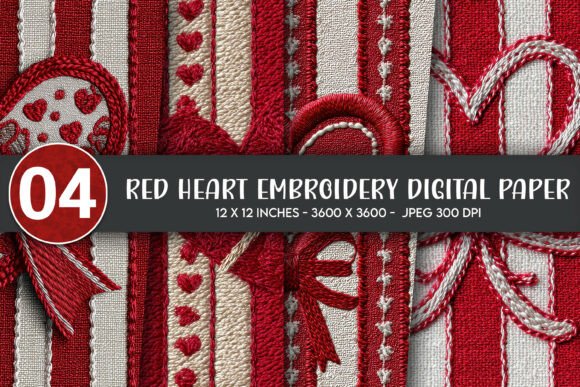
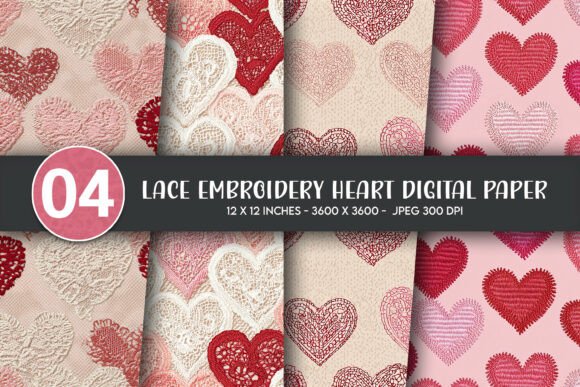
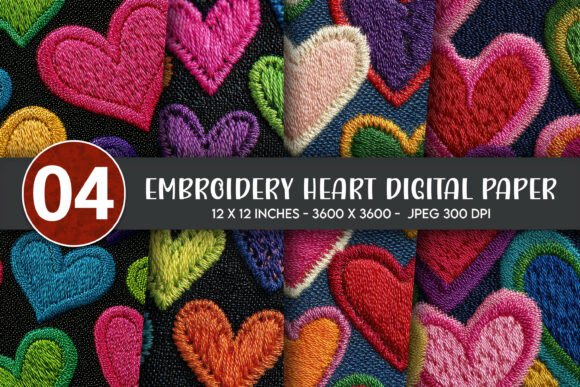
When I first opened the preview for the Embroidery Heart Digital Paper, my immediate reaction was one of classic appeal. The heart motif is a timeless staple in the handmade market, but the "Digital Paper" aspect suggests a texture or patterned fill that elevates it beyond a simple outline. For a craft fair booth, where customers scan tables in seconds, a design needs to feel either bold or charmingly intricate. This design strikes a balance; it feels soft yet decorative, leaning towards a modern rustic or farmhouse aesthetic that is currently dominating the handmade sector. It does not feel overly trendy, which means it will likely remain relevant for several seasons, making it a safe bet for boutique makers looking for consistent sellers.
The description highlights its use on posters, stickers, and mugs, indicating a clean graphic structure. However, as an embroidery professional, I am most interested in how this translates to fabric. A high-resolution source file is crucial because it ensures that when we convert this graphic into a machine embroidery design, the curves of the heart remain smooth rather than jagged. This level of detail is what separates a premium handmade product from a generic mass-market item.
Product Versatility: Where Does It Shine?
The true test of any digital embroidery file is its adaptability across different substrates. Based on the product description, the Embroidery Heart Digital Paper is suitable for tote bags, throw pillows, aprons, and more. In my experience preparing for a weekend market, here is how I would deploy this design to maximize sales:
- Tote Bags and Market Bags: These are workhorses for any craft fair. Placing the heart design centrally on a canvas tote bag creates an instant focal point. The design works beautifully as a large statement piece, catching the eye of shoppers browsing for eco-friendly alternatives.
- Tea Towel Embroidery: Kitchen textiles are huge sellers. An embroidered heart on a linen tea towel adds a touch of warmth and personalization. The "Digital Paper" texture could be simulated with satin stitches or fill patterns to mimic a printed look, adding depth to the finished product.
- Apron Embroidery: For the functional side of things, placing this design on the bib of an apron offers a cute accent without overwhelming the utility of the garment. It appeals to home cooks and gardeners alike.
- Throw Pillows and Wall Art: Larger formats allow the design to breathe. On a pillow cover, the heart can be scaled up significantly, making it a perfect gift for new homes or anniversaries. The high resolution ensures it looks crisp even when enlarged.
- Embroidered Patches and Caps: For smaller applications, the design must hold its shape. As an embroidered patch, it can be ironed onto denim jackets or backpacks, appealing to a younger demographic or those looking for quick customization.
Practical Production Considerations
While the concept is strong, the execution is where many designers stumble. Before committing to batch production for your Etsy shop or local market, you must consider the technical constraints. The description mentions "High-resolution 300 DP," which is excellent for printables, but remember that embroidery machines do not read pixels; they read stitch counts and directions.
If you are converting this Embroidery Heart Digital Paper into a machine embroidery design, pay close attention to stitch density. Heart shapes often have tight curves. If the design is too dense, the fabric may pucker, especially on delicate materials like onesies or thin cotton tees. Conversely, if it is too sparse, the design may look unfinished. Always test the design on scrap fabric first. Check the thread colors against your chosen fabric to ensure sufficient contrast. A white heart on a cream tote bag might get lost, whereas a navy or burgundy thread would pop.
Furthermore, consider the hoop size. Can this design fit within a standard 5x7 hoop, or does it require a larger frame? For small shop products like caps or small pouches, you may need to resize the design. Be cautious here; shrinking a complex graphic too much can cause tiny details to merge or disappear. If the design includes text or fine internal lines, these are the first elements to suffer when scaled down.
Selling Strategy and Booth Display
For the savvy Etsy seller or craft fair vendor, visual appeal drives engagement. When setting up your table display, group products by color palette. Imagine a stack of neutral-colored tote bags featuring the Embroidery Heart Digital Paper in varying thread colors—pastels for spring, deep reds for winter. This variety shows potential buyers the versatility of the design without them needing to ask questions.
Photography is equally critical. Since this design is also listed as suitable for printable mockups, ensure your online listings feature high-quality photos of the actual finished product. Show the texture of the stitches. Customers buying handmade items want to see the quality of the craftsmanship. A photo of the heart design on a textured towel or a structured cap conveys value far better than a flat digital image.
This design fits perfectly into a cohesive brand identity. If your shop focuses on love, family, or home decor, the heart motif reinforces that message instantly. It acts as a recognizable logo for your brand, building consistency across your range of commercial embroidery products. Whether sold as a standalone craft fair product or as part of a curated gift set, the design's simplicity allows it to blend seamlessly with other items on your table.
Designer Notes for Success
To ensure the best results with the Embroidery Heart Digital Paper, follow these practical steps before launching your collection:
- Test Run: Never skip the test run on the same fabric type you plan to sell. Fabric texture varies wildly between a heavy canvas tote and a soft jersey onesie.
- Stabilizer Choice: Use the right stabilizer to prevent puckering. Cut-away stabilizers are best for stretchy fabrics like t-shirts, while tear-away works well for stable cottons like aprons and towels.
- Licensing Check: Although the description lists many uses, always confirm the commercial licensing terms. Ensure you are allowed to sell the finished embroidered goods and not just the digital file itself.
- Mockup Creation: Create at least one real mockup for each product type. This helps you visualize the scale and placement, ensuring the design looks balanced on the final item.
- Thread Contrast: Experiment with different thread colors. Sometimes a metallic or variegated thread can elevate a simple heart design into a premium offering.
In conclusion, the Embroidery Heart Digital Paper is a robust asset for creative entrepreneurs. Its high resolution and versatile nature make it a strong contender for a wide array of handmade products. By paying attention to stitch density, fabric choice, and presentation, you can turn this digital graphic into a profitable line of handmade products that stand out in a crowded market. Whether you are selling at a bustling weekend fair or curating a niche Etsy store, this design offers the charm and reliability needed to keep customers coming back.